The accuracy gap between lab and CCTV
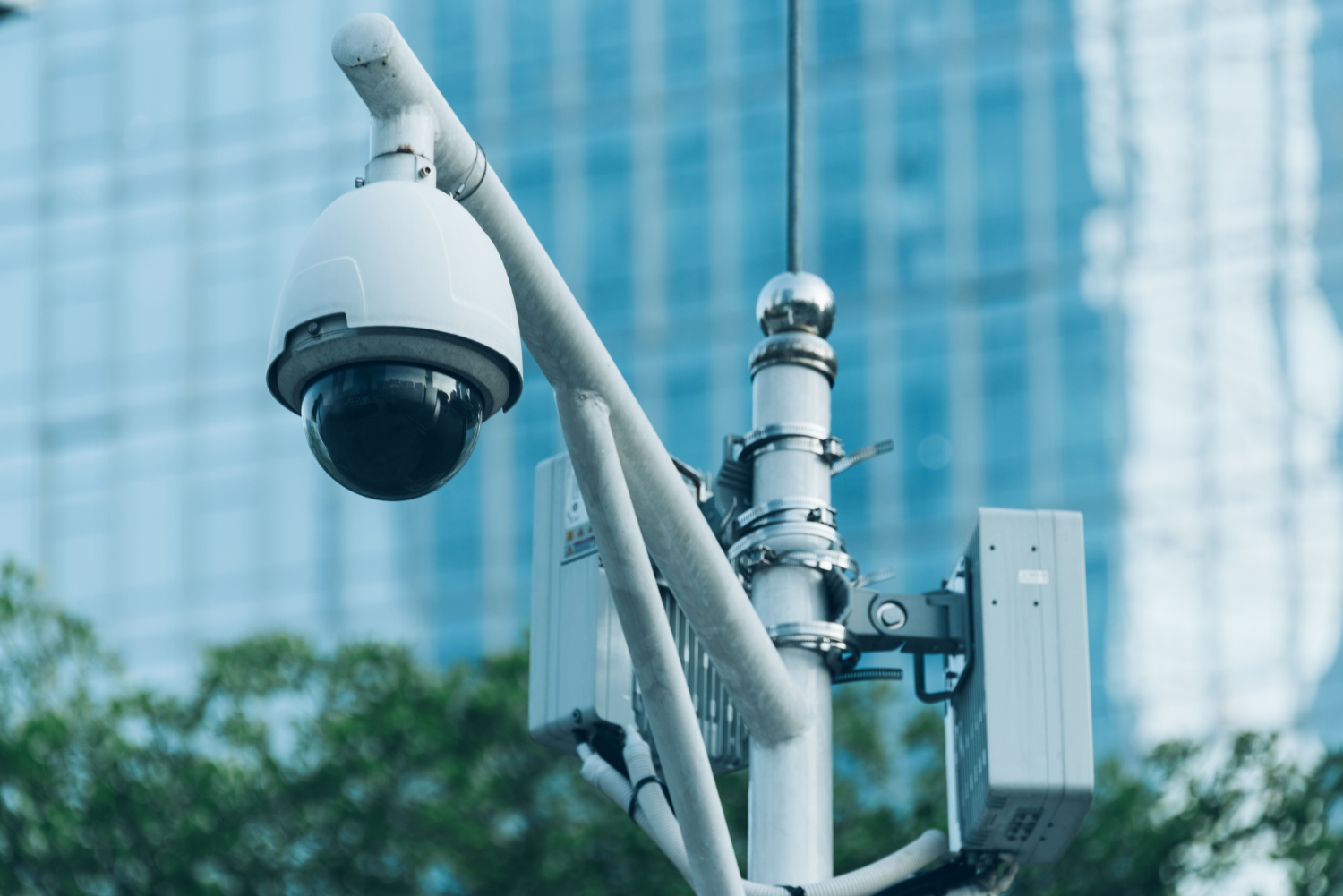
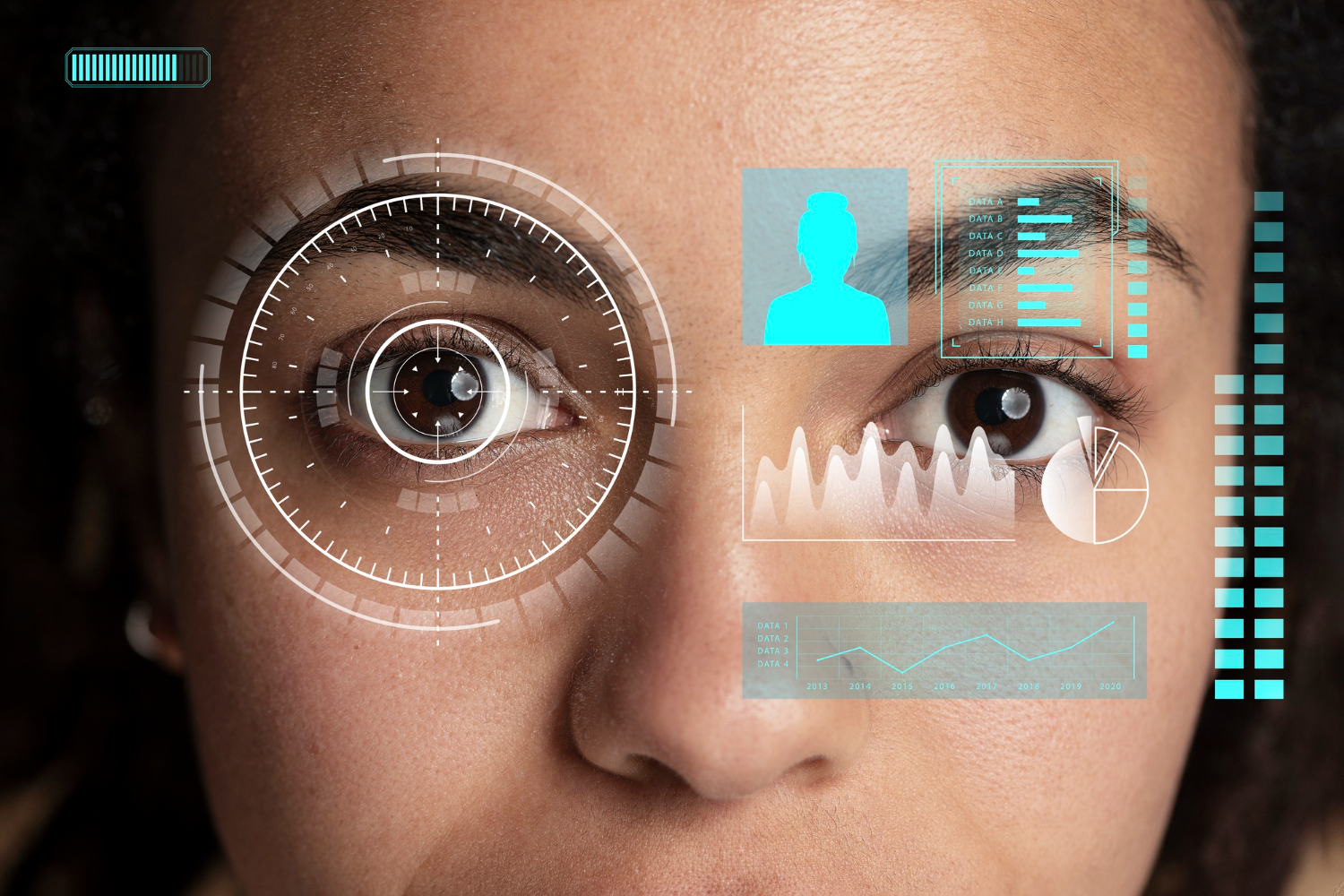
LFW, MegaFace, and NIST FRVT benchmark results place vendor accuracy claims above 99% as reported in those named benchmarks. These benchmarks use cooperative subjects, controlled lighting, frontal-facing poses, and high-resolution images. Production CCTV environments provide none of these conditions. Facial recognition accuracy drops 10–40% between controlled enrollment conditions and production CCTV — angle, lighting, and resolution are the primary degradation factors (observed pattern across our deployment reviews, not a single named benchmark).
This isn’t a model quality issue. It’s a physics and deployment issue. The same algorithm that achieves 99.7% on NIST FRVT may achieve 65–80% in a real CCTV corridor with overhead angles, mixed lighting, and 720p resolution at 15 metres.
The three degradation factors
| Factor | Lab condition | CCTV reality | Impact on accuracy |
|---|---|---|---|
| Angle | Frontal (±15°) | 30–60° overhead, oblique | 15–25% reduction at >30° off-axis (observed range) |
| Lighting | Uniform, consistent | Variable (natural + artificial, shadows, backlight) | 10–20% reduction under mixed/backlit conditions (observed range) |
| Resolution | 100+ pixels between eyes | 20–40 pixels between eyes at typical camera distances | Below 40 inter-pupillary pixels, recognition becomes unreliable |
Distance, angle, lighting, and motion artifacts multiply their degradation effects rather than adding them linearly. A subject at 30° angle, under mixed lighting, at 25 inter-pupillary pixels may produce a match confidence below any operationally useful threshold — even when the same subject at enrollment produced a near-perfect template.
What makes facial recognition work in production
High-quality frontal enrollment images, purpose-built camera positioning, dedicated IR illumination, and constrained operating ranges at checkpoints enable the minority of deployments that maintain field accuracy.
A pipeline view of the problem — face detection (MTCNN or similar), alignment, embedding via a deep model, then matching against a gallery — makes the degradation pathways legible. Each stage attenuates downstream confidence. We cover the full decomposition in Facial Recognition in Computer Vision Explained. A face match is most reliable when it contributes confidence alongside other identifiers (gait, clothing, badge) rather than serving as the sole identification mechanism — an architecture that tolerates individual-stage inaccuracy because no single stage bears the full decision weight.
The operational implication
Run validation tests with your existing camera network, real operating distances, and site-specific lighting before committing to full deployment. Vendor demonstrations using cooperative subjects at 2-metre distance under ring lighting tell you nothing about the system’s performance on your 15-metre corridor cameras at ceiling height. Our Computer Vision R&D practice runs exactly this kind of on-site validation with clients before they commit to a vendor.