

Deep Learning in Medical Computer Vision: How It Works
Feb 7, 2025
How deep-learning CV maps to FDA-cleared medical devices: CADe/CADx patterns, segmentation pipelines, lock-and-key versioning, and PACS integration.
Read moreMedical-imaging validation and HIPAA / GxP readiness scoring for clinical AI: engineering evidence, not regulatory sign-off.

Clinical AI, imaging AI, and regulated healthcare workflows live or die on the evidence around the model, not the model itself. Validation packs, audit trails, readiness scoring against published rubrics, and workflow integration that preserves traceability are what unblock the pilot, the approval committee, and the regulated rollout. We work the engineering side of that boundary: the evidence your clinical, regulatory, and compliance roles can read, challenge, and sign against. We do not diagnose, certify, or give regulatory advice.


Where the Engineering Bottleneck Lives
A clinical or imaging pilot moves toward broader use and needs validation evidence that holds up under engineering review, not a benchmark slide, or an imaging workflow hits an edge case (a rare condition, drift across scanners, a defect class the test set never covered) that production monitoring is not catching.
Or a regulated rollout needs a readiness scorecard against a published rubric (HIPAA, GxP-aligned references, NIST AI RMF) with an evidence trail per scored item that the committee can re-score in twelve months on the same map.
Two Ways We Engage
Clinical-imaging validation and regulated-workflow readiness scoring are different engineering problems, so we run them as two separate fixed-scope engagements, each ending in a deliverable your team keeps and can re-run.

Production AI Monitoring Harness
Reliability
Eval harness, slice-level regression, drift checks, and release-readiness review for imaging and clinical-AI workflows.

AI Readiness Scorecard
Trust
A scorecard against a named published rubric (HIPAA, GxP, NIST AI RMF) with an evidence map every reviewer can replay.
Imaging & Clinical-AI Validation
Most clinical-AI regressions are not accuracy problems on the headline metric: they are silent failures on a slice the test set never covered, drift across acquisition hardware, or a workflow that hides the regression until a clinician notices. We build the eval harness, regression suites, slice-level monitoring, and release-readiness reviews that surface the regression first. The validation evidence is the engineering pre-requisite for clinical and regulatory decisions, not a substitute for them.
Lands in the Production AI Monitoring Harness: 4–10 weeks, milestone or fixed-price.


HIPAA / GxP Readiness Scoring
Approval committees and audit functions ask the same thing: where is the evidence, scored against a named external rubric? We build the scorecard against NIST AI RMF, ML Test Score, or a HIPAA / GxP-aligned checklist, with an evidence map that ties every score to an artefact: test logs, eval outputs, runbooks, lineage notes. Another expert can replay the scoring against the same rubric using the same evidence map.
Lands in the AI Readiness Scorecard: 2–5 weeks, fixed-price.
Production AI engineering for regulated healthcare, from medical computer vision to GxP-ready validation.
Feb 7, 2025
How deep-learning CV maps to FDA-cleared medical devices: CADe/CADx patterns, segmentation pipelines, lock-and-key versioning, and PACS integration.
Read more
Sep 19, 2025
Validation-ready AI under GAMP 5: classification for ML, continuous validation lifecycle, V-model evidence, and controls for AI-specific risks.
Read moreWhat clinical-grade imaging validation involves, what the validation pack contains, and what GxP compliance requires.

Jun 12, 2026
A clinical-grade imaging AI validation engagement is a structured methodology
Read more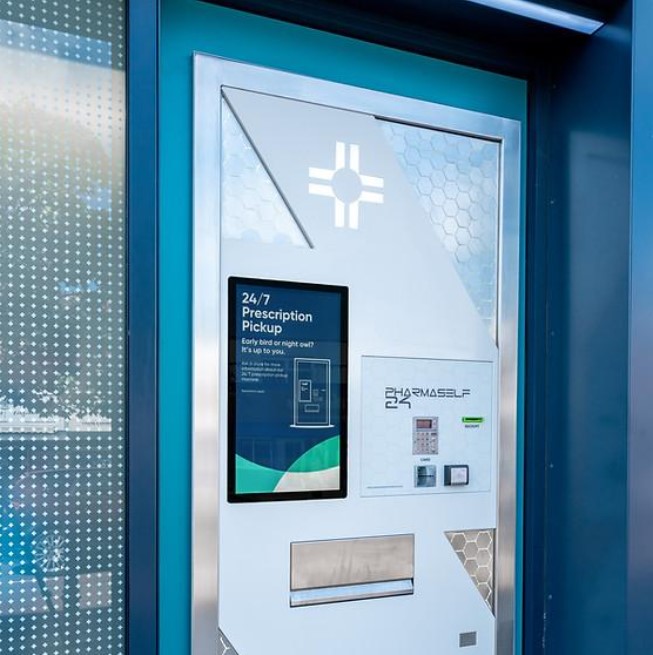
Jun 12, 2026
A contents checklist for a clinical imaging validation pack: the evidence sections a regulated deployment expects before a reviewer signs.
Read more
TechnoLynx delivered the project on time and provided quality outputs that met the client's expectations. The team was proactive in providing ideas and suggestions, and they were careful at properly planning the tasks. The client also praised the team's expertise in GPU programming and AI.

TechnoLynx's skill in low-level software development was impressive. TechnoLynx was able to create four prototypes with common components and an interface for easy maintenance. The client was extremely happy with the solution's speed. Moreover, their communication was seamless and straightforward.

TechnoLynx's unique aspect is that they're able to transform complex theories into practicable and applicable results. TechnoLynx provides research reports and architecture planning documents. The team is able to transform complex theories into practicable and applicable results. TechnoLynx's project management is strong and delivers work on time without hardware issues, being responsive through virtual meetings.
I’m delighted with our collaboration with their team. Thanks to TechnoLynx's work, the client has been able to co-author two patents. They lead responsive project management to solve problems quickly. The team also praises their skilled and knowledgeable team.
We had high-efficiency meetings. TechnoLynx’s work resulted in a successful breakthrough, and their input improved the client’s app. Their flexible and organised project management cultivated a healthy collaboration experience. Ultimately, their professionalism and commitment were impressive.
No. We build engineering evidence (eval harnesses, validation reports, readiness scorecards) that the clinical, regulatory, and compliance roles you already have can read, challenge, and sign against. We do not diagnose, claim clinical validity, certify, or interpret regulation. The validation evidence is the engineering pre-requisite for those decisions, not a substitute for them.
An eval harness with the slice cuts that matter, regression suites against historical cases, slice-level monitoring across acquisition hardware, and a release-readiness review. Most clinical-AI regressions are silent failures on a slice the test set never covered or drift across scanners, so the harness is built with exactly those cuts.
A score per rubric item against a named published rubric (HIPAA-aligned checklist, GxP references, NIST AI RMF, ML Test Score), each score tied to an evidence ID (test logs, eval outputs, runbooks, lineage notes) plus a prioritised remediation backlog. The scorecard is reviewable: another expert can replay the scoring against the same rubric using the same evidence map.
The common failure mode is a model that scores well on the headline metric but fails silently on a slice the test set never covered, drifts across acquisition hardware, or sits inside a workflow that hides the regression until a clinician notices. The eval harness is built with the slice cuts that expose exactly these conditions.
Yes. The validation harness re-runs on your representative dataset after a model swap or data refresh, and the scorecard can be re-scored against the same published rubric on the same evidence map, so the committee can watch the trajectory move rather than commission a fresh engagement.
How We Work With Life-Sciences Teams
Each pack has a fixed scope and a price tied to the outcome, and ends in something your team keeps and can re-run: the eval harness, the re-run script, the rubric-and-evidence map. We work alongside your clinical, regulatory, and compliance functions; we do not substitute for them, and we do not diagnose, certify, or interpret regulation.
Heading into a validation gate, a readiness review, or a regulated rollout? The named pack page is the entry point, or contact us with the question itself and we will route you to the right one.