Scalable Image Analysis for Biotech and Pharma

Learn how scalable image analysis supports biotech and pharmaceutical industry research, enabling high-throughput cell imaging and real-time drug discoveries.

Scalable Image Analysis for Biotech and Pharma
Written by TechnoLynx Published on 18 Nov 2025

Scalable image analysis is transforming research and development in the biotechnology industry and pharmaceutical industry. Modern biotechnology depends on accurate imaging to study living organisms and molecular biology processes. As experiments grow in size and complexity, traditional image processing methods cannot keep up. High-throughput systems and real-time analysing now make large-scale studies possible.

Why Scalable Image Analysis Matters

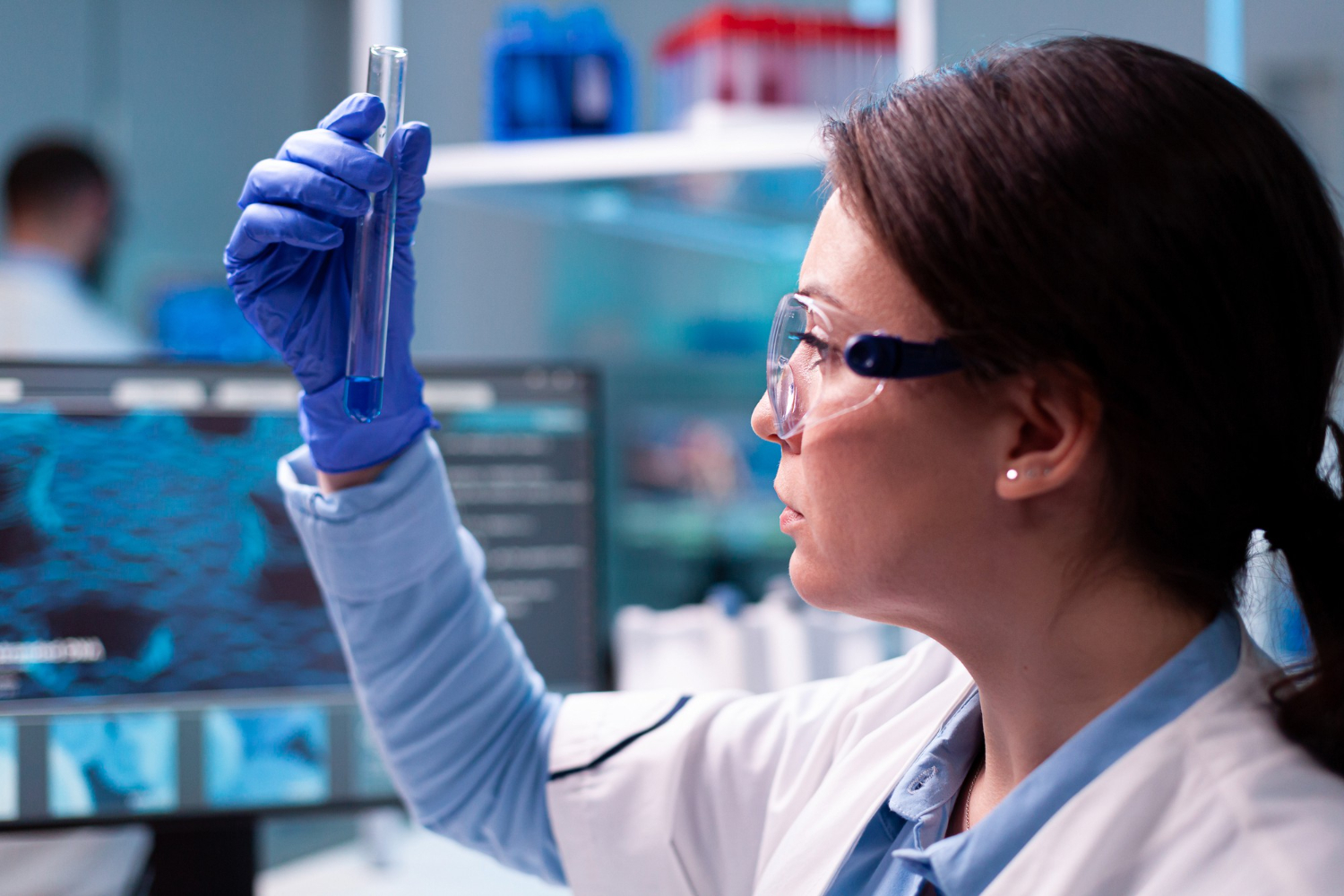
Biotech and pharma rely on imaging for critical decisions. Cell imaging reveals how compounds interact with living organisms. Molecular biology studies require detailed visual data to understand protein structures and genetic behaviour. When thousands of samples need analysis, speed and accuracy become essential.

Large-scale experiments generate full-size images that demand advanced processing. Manual methods are slow and prone to error. Scalable image analysing automates these tasks, reducing time and improving reliability. Researchers can process data from a wide range of sources without delays, supporting faster drug discoveries and better outcomes.

The Role of Modern Biotechnology

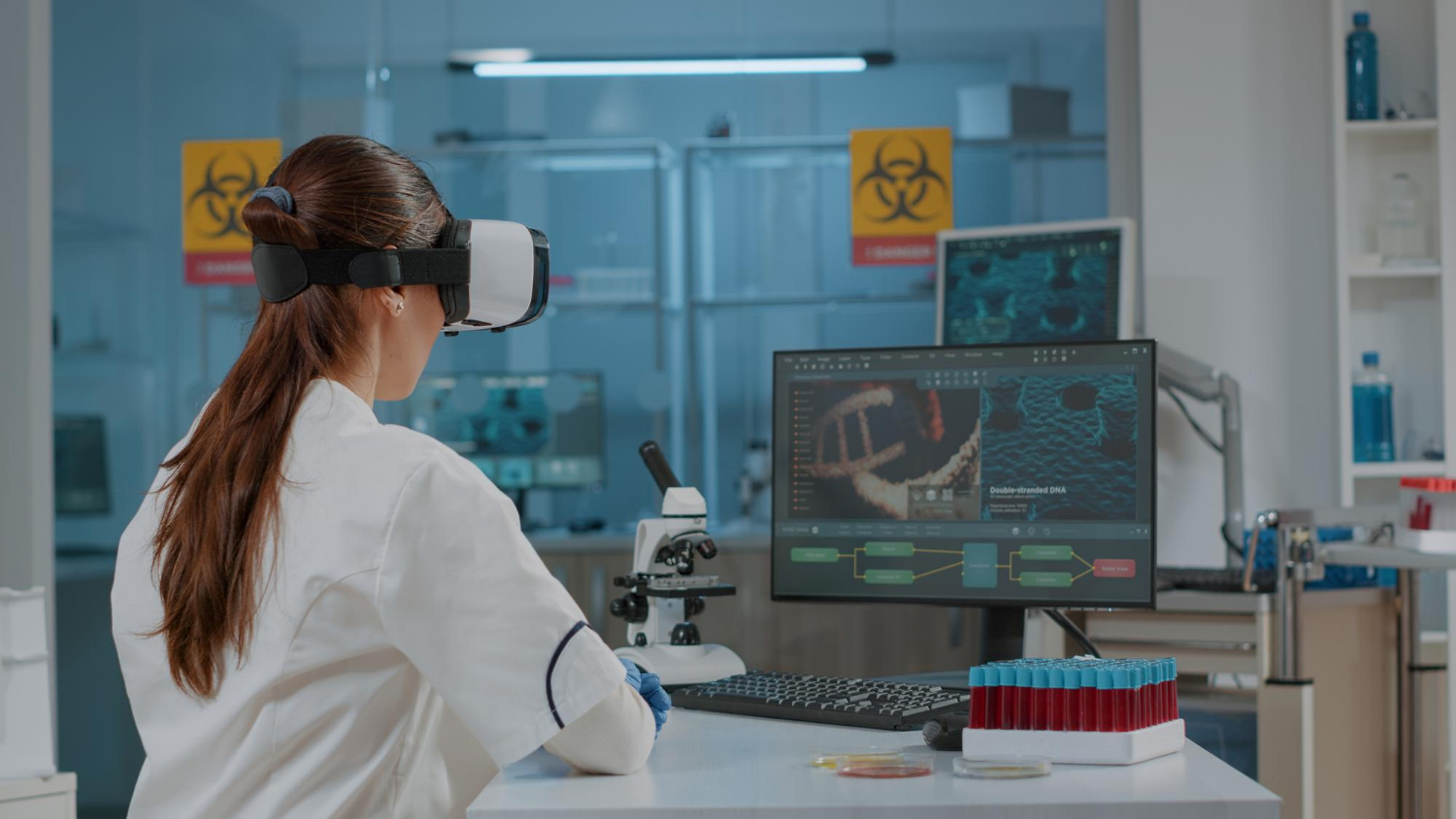
Modern biotechnology integrates imaging with computational tools. High-resolution cameras capture detailed cell structures. Image processing algorithms interpret these visuals in real time. This approach supports research and development across multiple domains, from genetic engineering to drug testing.

The biotechnology industry uses scalable image analysing to monitor cell growth, detect anomalies, and validate experimental results. Pharmaceutical companies apply these techniques to screen compounds and predict efficacy. High-throughput imaging processes large datasets quickly, enabling rapid decision-making.


Read more: Real-Time Vision Systems for High-Performance Computing

How Image Processing Works in Large-Scale Studies

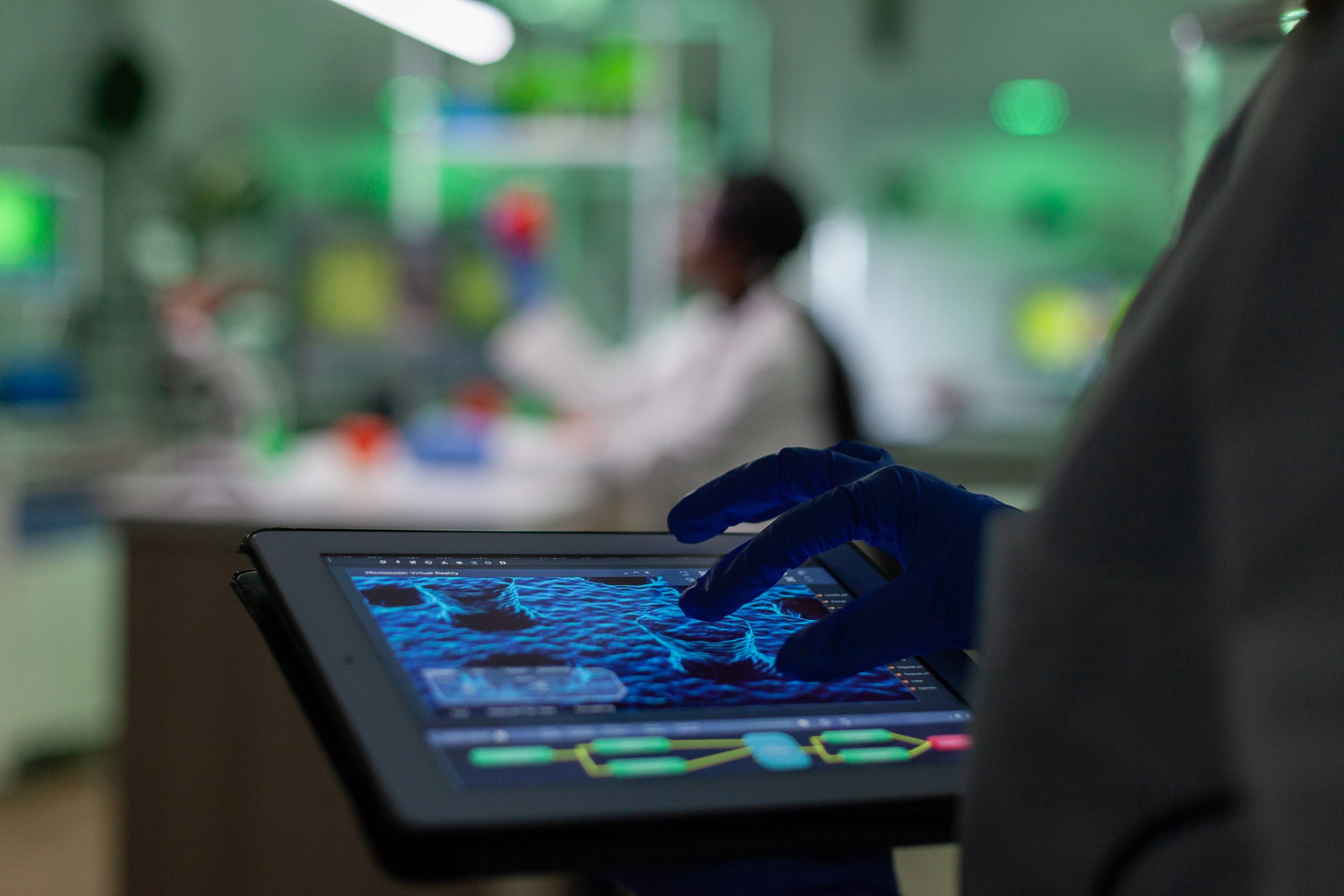
Image processing involves several steps. First, systems capture full-size images using advanced sensors. These images are then segmented to isolate regions of interest.

Algorithms measure features such as shape, colour, and intensity. Machine learning models classify patterns and predict outcomes.

High-performance computing supports these operations. Multiple cores in processors handle parallel tasks, speeding up analysis. Random access memory stores temporary data for quick access. Control units coordinate data and instructions across the computer system, ensuring smooth workflows.

Real-time processing is vital. When data is analysed instantly, researchers can adjust experiments on the fly. This flexibility improves efficiency and reduces waste. Scalable image analysing makes this possible by combining state-of-the-art hardware with intelligent software.

Applications in Drug Discoveries

Drug discoveries depend on accurate imaging. Pharmaceutical companies test thousands of compounds to identify potential treatments. Scalable image analysis accelerates this process. High-throughput systems screen samples quickly, and algorithms detect subtle changes in cell behaviour.

Regulatory bodies such as the Food and Drug Administration (FDA) and the National Institutes of Health require rigorous validation. Automated image processing ensures compliance by providing consistent and documented results. This transparency builds trust and speeds approval.

Real-time analysis also supports adaptive trials. Researchers can modify protocols based on immediate feedback, improving success rates. Scalable systems handle large volumes of data without compromising accuracy, making them essential for modern drug development.


Read more: AI-Driven Drug Discovery: The Future of Biotech

Benefits for the Pharmaceutical Industry

The pharmaceutical industry gains several advantages from scalable image analysis:

  • Speed: High-throughput systems process thousands of images in minutes.

  • Accuracy: Automated algorithms reduce human error.

  • Scalability: Systems handle large-scale experiments without delays.

  • Compliance: Consistent documentation meets regulatory standards.


These benefits make scalable image analysing a strategic priority for biotech and pharma companies.

State-of-the-Art Technologies Driving Change

State-of-the-art imaging technologies combine hardware and software innovations. High-resolution sensors capture detailed visuals. Advanced algorithms interpret these images with precision. Machine learning models improve predictions over time, adapting to new data.

Edge computing enhances performance by processing data locally. This reduces latency and improves reliability. When combined with high-performance processors and sufficient memory, edge systems deliver real-time results even in remote locations.

Cloud platforms also play a role. They store large datasets and enable collaboration across global teams. Researchers can access full-size images and analyse tools from anywhere, supporting flexible workflows.


Read more: AI Vision for Smarter Pharma Manufacturing

Advanced Imaging for Molecular Biology Research

Molecular biology studies depend on precise imaging. Researchers need to observe interactions at the cellular level and track changes over time. Scalable image processing supports these tasks by handling large volumes of data quickly.

High-throughput systems capture thousands of full-size images in a single session. Algorithms then interpret these visuals in real time, providing immediate insights.

This capability is vital for experiments involving living organisms. Cells respond to stimuli in seconds, and delays in analysing can lead to missed observations. Real-time image processing records and evaluates every detail. Researchers can adjust conditions instantly, improving accuracy and reducing wasted resources.

Modern biotechnology uses these tools to study protein folding, gene expression, and metabolic pathways. Automated systems handle repetitive tasks, freeing scientists to focus on interpretation and strategy. As datasets grow, scalable solutions become essential for maintaining efficiency.

Large-Scale Imaging in Pharmaceutical Research

The pharmaceutical industry faces increasing pressure to deliver new treatments faster. Drug discoveries require screening thousands of compounds against multiple targets. Each test generates images that must be analysed for changes in cell behaviour. Manual methods cannot keep pace with this demand.

Scalable image analysis enables large-scale screening. High-throughput platforms process data from a wide range of experiments without delays. Real-time feedback allows researchers to identify promising candidates early. This reduces the number of failed trials and accelerates development.

Regulatory compliance adds complexity. Agencies such as the Food and Drug Administration (FDA) and the National Institutes of Health expect detailed documentation. Automated image processing ensures consistency and accuracy, meeting these standards. Pharmaceutical companies gain confidence that their results are reliable and audit-ready.


Read more: The Impact of Computer Vision on The Medical Field

State-of-the-Art Imaging Technologies

State-of-the-art imaging systems combine advanced optics with intelligent software. High-resolution sensors capture intricate details of cells and tissues. Image processing algorithms segment and classify these visuals with precision. Machine learning models improve performance by learning from previous data.

Edge computing enhances these capabilities. By processing data locally, systems reduce latency and improve reliability. This situation becomes critical for environments with limited network connectivity or where immediate decisions require attention. Factories, laboratories, and clinical settings benefit from this approach.

Cloud platforms complement edge systems by storing large datasets and enabling collaboration. Researchers can access full-size images and analysis tools from anywhere. This flexibility supports global projects and accelerates innovation.

Real-Time Analysis for Adaptive Research

Real-time analysis changes how research and development operate. Instead of waiting for batch processing, scientists receive instant results. This allows researchers to modify conditions in adaptive experiments based on immediate feedback. For example, if a compound shows unexpected toxicity, researchers can halt testing and redirect resources.

Adaptive research improves efficiency and reduces costs. It also enhances safety by identifying risks early. Scalable image analysis makes this possible by combining high-performance hardware with intelligent algorithms. The result is a system that responds as fast as the science demands.

Building Resilient Imaging Workflows

Resilience is essential in large-scale imaging projects. Systems must handle sudden increases in data without slowing down. Scalable image analysing achieves this by distributing workloads across multiple processors and using efficient memory management. Real-time processing ensures that even peak demand does not cause delays.

Researchers benefit from consistent performance. They can run high-throughput experiments knowing that image processing will keep pace. This reliability supports critical tasks such as drug screening and molecular biology studies. When workflows remain stable, teams save time and reduce operational risks.

Automation strengthens resilience further. Automated pipelines manage repetitive tasks like image segmentation and feature extraction. This reduces human error and improves accuracy. Combined with adaptive algorithms, these pipelines adjust to changing conditions without manual intervention.

Future systems will integrate predictive analytics to anticipate workload spikes. They will allocate resources dynamically, maintaining speed and precision. These improvements will make scalable image analysis even more dependable for biotech and pharmaceutical research.


Read more: High-Throughput Image Analysis in Biotechnology

Challenges in Scaling Image Analysis

Scaling image analysis is not without challenges. Large datasets require significant storage and computing power. Integrating new systems with existing workflows can be complex. Staff may need training to use advanced tools effectively.

Solutions include investing in modular platforms that grow with demand. High-performance processors and sufficient memory ensure smooth operations. Automated pipelines reduce manual intervention, improving consistency. Training programmes build confidence and competence among researchers.

Collaboration with technology providers also helps. Vendors offer expertise in system design and integration, reducing implementation time. Partnerships with academic institutions support knowledge exchange and innovation.

The future of scalable image analysis looks promising. Advances in molecular biology will demand even more detailed imaging. High-resolution sensors will capture richer data, and algorithms will become smarter. Real-time analysis will become standard, supporting adaptive research and personalised medicine.

Integration with robotics will enable automated sample handling and imaging. AI-driven models will predict outcomes and optimise protocols. These trends will make research and development faster, safer, and more efficient.

How TechnoLynx Can Help

TechnoLynx supports biotech and pharmaceutical companies in adopting scalable image analysis. We design solutions that combine high-throughput imaging, advanced algorithms, and real-time processing. Our solutions handle large-scale experiments with ease, ensuring accuracy and compliance.

We provide state-of-the-art software solutions tailored to your needs. Our team integrates scalable image analysis into existing workflows and offers ongoing support. With TechnoLynx, you gain a partner committed to improving speed, reliability, and innovation in research and development.


Contact us to start collaborating now!


Image credits: Freepik

AI in Life Sciences Driving Progress

AI in Life Sciences Driving Progress

5/12/2025

Learn how AI transforms drug discovery, clinical trials, patient care, and supply chain in the life sciences industry, helping companies innovate faster.

AI Adoption Trends in Biotech and Pharma

AI Adoption Trends in Biotech and Pharma

4/12/2025

Understand how AI adoption is shaping biotech and the pharmaceutical industry, driving innovation in research, drug development, and modern biotechnology.

AI and R&D in Life Sciences: Smarter Drug Development

AI and R&D in Life Sciences: Smarter Drug Development

3/12/2025

Learn how research and development in life sciences shapes drug discovery, clinical trials, and global health, with strategies to accelerate innovation.

Interactive Visual Aids in Pharma: Driving Engagement

Interactive Visual Aids in Pharma: Driving Engagement

2/12/2025

Learn how interactive visual aids are transforming pharma communication in 2025, improving engagement and clarity for healthcare professionals and patients.

Automated Visual Inspection Systems in Pharma

Automated Visual Inspection Systems in Pharma

1/12/2025

Discover how automated visual inspection systems improve quality control, speed, and accuracy in pharmaceutical manufacturing while reducing human error.

Pharma 4.0: Driving Manufacturing Intelligence Forward

Pharma 4.0: Driving Manufacturing Intelligence Forward

28/11/2025

Learn how Pharma 4.0 and manufacturing intelligence improve production, enable real-time visibility, and enhance product quality through smart data-driven processes.

Pharmaceutical Inspections and Compliance Essentials

Pharmaceutical Inspections and Compliance Essentials

27/11/2025

Understand how pharmaceutical inspections ensure compliance, protect patient safety, and maintain product quality through robust processes and regulatory standards.

Machine Vision Applications in Pharmaceutical Manufacturing

Machine Vision Applications in Pharmaceutical Manufacturing

26/11/2025

Learn how machine vision in pharmaceutical technology improves quality control, ensures regulatory compliance, and reduces errors across production lines.

Cutting-Edge Fill-Finish Solutions for Pharma Manufacturing

Cutting-Edge Fill-Finish Solutions for Pharma Manufacturing

25/11/2025

Learn how advanced fill-finish technologies improve aseptic processing, ensure sterility, and optimise pharmaceutical manufacturing for high-quality drug products.

Vision Technology in Medical Manufacturing

Vision Technology in Medical Manufacturing

24/11/2025

Learn how vision technology in medical manufacturing ensures the highest standards of quality, reduces human error, and improves production line efficiency.

Predictive Analytics Shaping Pharma’s Next Decade

Predictive Analytics Shaping Pharma’s Next Decade

21/11/2025

See how predictive analytics, machine learning, and advanced models help pharma predict future outcomes, cut risk, and improve decisions across business processes.

AI in Pharma Quality Control and Manufacturing

AI in Pharma Quality Control and Manufacturing

20/11/2025

Learn how AI in pharma quality control labs improves production processes, ensures compliance, and reduces costs for pharmaceutical companies.

Generative AI for Drug Discovery and Pharma Innovation

18/11/2025

Learn how generative AI models transform the pharmaceutical industry through advanced content creation, image generation, and drug discovery powered by machine learning.

Real-Time Vision Systems for High-Performance Computing

17/11/2025

Learn how real-time vision innovations in computer processing improve speed, accuracy, and quality control across industries using advanced vision systems and edge computing.

AI-Driven Drug Discovery: The Future of Biotech

14/11/2025

Learn how AI-driven drug discovery transforms pharmaceutical development with generative AI, machine learning models, and large language models for faster, high-quality results.

AI Vision for Smarter Pharma Manufacturing

13/11/2025

Learn how AI vision and machine learning improve pharmaceutical manufacturing by ensuring product quality, monitoring processes in real time, and optimising drug production.

The Impact of Computer Vision on The Medical Field

12/11/2025

See how computer vision systems strengthen patient care, from medical imaging and image classification to early detection, ICU monitoring, and cancer detection workflows.

High-Throughput Image Analysis in Biotechnology

11/11/2025

Learn how image analysis and machine learning transform biotechnology with high-throughput image data, segmentation, and advanced image processing techniques.

Mimicking Human Vision: Rethinking Computer Vision Systems

10/11/2025

See how computer vision technologies model human vision, from image processing and feature extraction to CNNs, OCR, and object detection in real‑world use.

Pattern Recognition and Bioinformatics at Scale

9/11/2025

See how pattern recognition and bioinformatics use AI, machine learning, and computational algorithms to interpret genomic data from high‑throughput DNA sequencing.

Visual analytic intelligence of neural networks

7/11/2025

Understand visual analytic intelligence in neural networks with real time, interactive visuals that make data analysis clear and data driven across modern AI systems.

Visual Computing in Life Sciences: Real-Time Insights

6/11/2025

Learn how visual computing transforms life sciences with real-time analysis, improving research, diagnostics, and decision-making for faster, accurate outcomes.

AI-Driven Aseptic Operations: Eliminating Contamination

21/10/2025

Learn how AI-driven aseptic operations help pharmaceutical manufacturers reduce contamination, improve risk assessment, and meet FDA standards for safe, sterile products.

AI Visual Quality Control: Assuring Safe Pharma Packaging

20/10/2025

See how AI-powered visual quality control ensures safe, compliant, and high-quality pharmaceutical packaging across a wide range of products.

AI for Reliable and Efficient Pharmaceutical Manufacturing

15/10/2025

See how AI and generative AI help pharmaceutical companies optimise manufacturing processes, improve product quality, and ensure safety and efficacy.

AI in Pharma R&D: Faster, Smarter Decisions

3/10/2025

How AI helps pharma teams accelerate research, reduce risk, and improve decision-making in drug development.

Sterile Manufacturing: Precision Meets Performance

2/10/2025

How AI and smart systems are helping pharma teams improve sterile manufacturing without compromising compliance or speed.

Biologics Without Bottlenecks: Smarter Drug Development

1/10/2025

How AI and visual computing are helping pharma teams accelerate biologics development and reduce costly delays.

AI for Cleanroom Compliance: Smarter, Safer Pharma

30/09/2025

Discover how AI-powered vision systems are revolutionising cleanroom compliance in pharma, balancing Annex 1 regulations with GDPR-friendly innovation.

Nitrosamines in Medicines: From Risk to Control

29/09/2025

A practical guide for pharma teams to assess, test, and control nitrosamine risks—clear workflow, analytical tactics, limits, and lifecycle governance.

Making Lab Methods Work: Q2(R2) and Q14 Explained

26/09/2025

How to build, validate, and maintain analytical methods under ICH Q2(R2)/Q14—clear actions, smart documentation, and room for innovation.

Barcodes in Pharma: From DSCSA to FMD in Practice

25/09/2025

What the 2‑D barcode and seal on your medicine mean, how pharmacists scan packs, and why these checks stop fake medicines reaching you.

Pharma’s EU AI Act Playbook: GxP‑Ready Steps

24/09/2025

A clear, GxP‑ready guide to the EU AI Act for pharma and medical devices: risk tiers, GPAI, codes of practice, governance, and audit‑ready execution.

Cell Painting: Fixing Batch Effects for Reliable HCS

23/09/2025

Reduce batch effects in Cell Painting. Standardise assays, adopt OME‑Zarr, and apply robust harmonisation to make high‑content screening reproducible.

Explainable Digital Pathology: QC that Scales

22/09/2025

Raise slide quality and trust in AI for digital pathology with robust WSI validation, automated QC, and explainable outputs that fit clinical workflows.

Validation‑Ready AI for GxP Operations in Pharma

19/09/2025

Make AI systems validation‑ready across GxP. GMP, GCP and GLP. Build secure, audit‑ready workflows for data integrity, manufacturing and clinical trials.

Image Analysis in Biotechnology: Uses and Benefits

17/09/2025

Learn how image analysis supports biotechnology, from gene therapy to agricultural production, improving biotechnology products through cost effective and accurate imaging.

Edge Imaging for Reliable Cell and Gene Therapy

17/09/2025

Edge imaging transforms cell & gene therapy manufacturing with real‑time monitoring, risk‑based control and Annex 1 compliance for safer, faster production.

Biotechnology Solutions for Climate Change Challenges

16/09/2025

See how biotechnology helps fight climate change with innovations in energy, farming, and industry while cutting greenhouse gas emissions.

Vision Analytics Driving Safer Cell and Gene Therapy

15/09/2025

Learn how vision analytics supports cell and gene therapy through safer trials, better monitoring, and efficient manufacturing for regenerative medicine.

AI in Genetic Variant Interpretation: From Data to Meaning

15/09/2025

AI enhances genetic variant interpretation by analysing DNA sequences, de novo variants, and complex patterns in the human genome for clinical precision.

AI Visual Inspection for Sterile Injectables

11/09/2025

Improve quality and safety in sterile injectable manufacturing with AI‑driven visual inspection, real‑time control and cost‑effective compliance.

Turning Telecom Data Overload into AI Insights

10/09/2025

Learn how telecoms use AI to turn data overload into actionable insights. Improve efficiency with machine learning, deep learning, and NLP.

Computer Vision in Action: Examples and Applications

9/09/2025

Learn computer vision examples and applications across healthcare, transport, retail, and more. See how computer vision technology transforms industries today.

Hidden Costs of Fragmented Security Systems

8/09/2025

Learn the hidden costs of a fragmented security system, from monthly fee traps to rising insurance premiums, and how to fix them cost-effectively.

EU GMP Annex 1 Guidelines for Sterile Drugs

5/09/2025

Learn about EU GMP Annex 1 compliance, contamination control strategies, and how the pharmaceutical industry ensures sterile drug products.

Predicting Clinical Trial Risks with AI in Real Time

5/09/2025

AI helps pharma teams predict clinical trial risks, side effects, and deviations in real time, improving decisions and protecting human subjects.

5 Real-World Costs of Outdated Video Surveillance

4/09/2025

Outdated video surveillance workflows carry hidden costs. Learn the risks of poor image quality, rising maintenance, and missed incidents.

Back See Blogs
arrow icon