
Machine-learning to boost energy efficiency

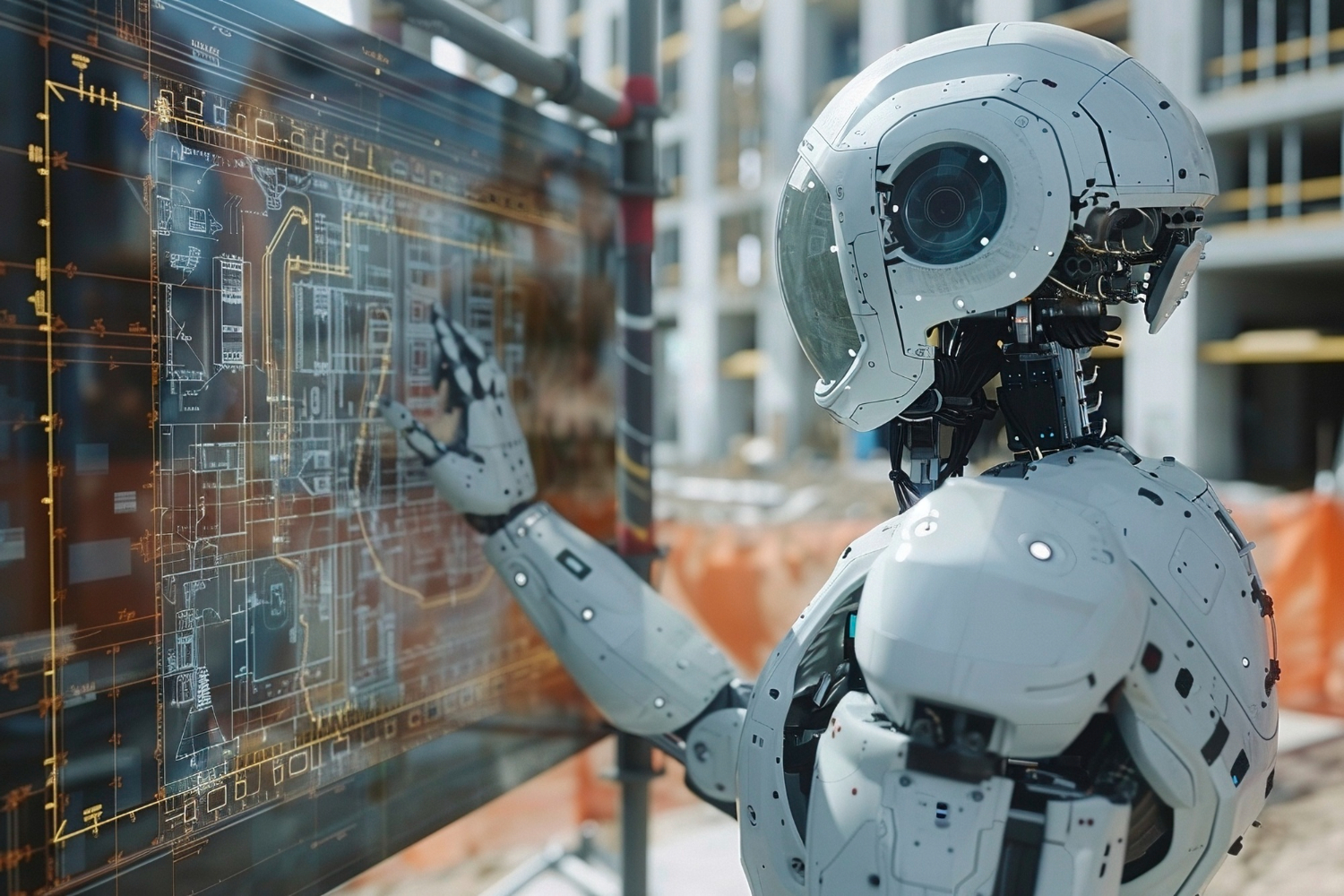
The article from the Lawrence Berkeley National Laboratory (LBL) News Center discusses how machine learning is being utilized to improve energy efficiency in complex systems.

Machine-learning to boost energy efficiency
Written by TechnoLynx Published on 14 May 2023

The article from the Lawrence Berkeley National Laboratory (LBL) News Center discusses how machine learning is being utilized to improve energy efficiency in complex systems. Researchers at LBL are using advanced algorithms to analyze data from various applications, such as industrial processes and data centers. By identifying patterns and relationships in the data, these machine-learning models can optimize energy usage in real-time, resulting in significant energy savings. The collaborative effort between LBL scientists and industry partners ensures the practical implementation of these solutions. Ultimately, this research aims to create more sustainable systems by reducing energy waste and mitigating environmental impact.

TechnoLynx is fully equipped to develop cutting-edge machine-learning technologies for your specific needs!

Credits:NewsCenter.lbl.gov

Planning GPU Memory for Deep Learning Training

Planning GPU Memory for Deep Learning Training

16/02/2026

GPU memory estimation for deep learning: calculating weight, activation, and gradient buffers so you can predict whether a training run fits before it crashes.

CUDA AI for the Era of AI Reasoning

CUDA AI for the Era of AI Reasoning

11/02/2026

How CUDA underpins AI inference: kernel execution, memory hierarchy, and the software decisions that determine whether a model uses the GPU efficiently or wastes it.

Deep Learning Models for Accurate Object Size Classification

Deep Learning Models for Accurate Object Size Classification

27/01/2026

A clear and practical guide to deep learning models for object size classification, covering feature extraction, model architectures, detection pipelines, and real‑world considerations.

GPU vs TPU vs CPU: Performance and Efficiency Explained

GPU vs TPU vs CPU: Performance and Efficiency Explained

10/01/2026

CPU, GPU, and TPU compared for AI workloads: architecture differences, energy trade-offs, practical pros and cons, and a decision framework for choosing the right accelerator.

AI and Data Analytics in Pharma Innovation

AI and Data Analytics in Pharma Innovation

15/12/2025

Machine learning in pharma: applying biomarker analysis, adverse event prediction, and data pipelines to regulated pharmaceutical research and development workflows.

Optimising LLMOps: Improvement Beyond Limits!

Optimising LLMOps: Improvement Beyond Limits!

2/01/2025

LLMOps optimisation: profiling throughput and latency bottlenecks in LLM serving systems and the infrastructure decisions that determine sustainable performance under load.

MLOps for Hospitals - Staff Tracking (Part 2)

MLOps for Hospitals - Staff Tracking (Part 2)

9/12/2024

Hospital staff tracking system, Part 2: training the computer vision model, containerising for deployment, setting inference latency targets, and configuring production monitoring.

MLOps for Hospitals - Building a Robust Staff Tracking System (Part 1)

MLOps for Hospitals - Building a Robust Staff Tracking System (Part 1)

2/12/2024

Building a hospital staff tracking system with computer vision, Part 1: sensor setup, data collection pipeline, and the MLOps environment for training and iteration.

MLOps vs LLMOps: Let’s simplify things

MLOps vs LLMOps: Let’s simplify things

25/11/2024

MLOps and LLMOps compared: why LLM deployment requires different tooling for prompt management, evaluation pipelines, and model drift than classical ML workflows.

Streamlining Sorting and Counting Processes with AI

Streamlining Sorting and Counting Processes with AI

19/11/2024

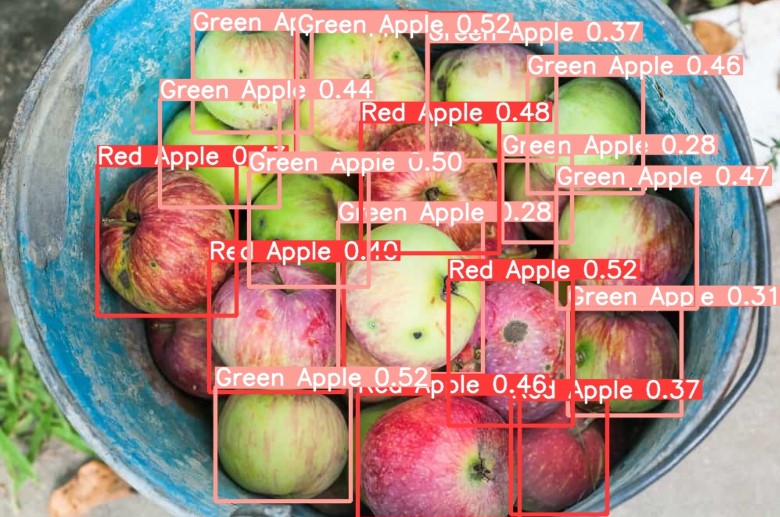
Learn how AI aids in sorting and counting with applications in various industries. Get hands-on with code examples for sorting and counting apples based on size and ripeness using instance segmentation and YOLO-World object detection.

Maximising Efficiency with AI Acceleration

Maximising Efficiency with AI Acceleration

21/10/2024

Find out how AI acceleration is transforming industries. Learn about the benefits of software and hardware accelerators and the importance of GPUs, TPUs, FPGAs, and ASICs.

How to use GPU Programming in Machine Learning?

How to use GPU Programming in Machine Learning?

9/07/2024

Learn how to implement and optimise machine learning models using NVIDIA GPUs, CUDA programming, and more. Find out how TechnoLynx can help you adopt this technology effectively.

AI in Pharmaceutics: Automating Meds

28/06/2024

Artificial intelligence is without a doubt a big deal when included in our arsenal in many branches and fields of life sciences, such as neurology, psychology, and diagnostics and screening. In this article, we will see how AI can also be beneficial in the field of pharmaceutics for both pharmacists and consumers. If you want to find out more, keep reading!

Exploring Diffusion Networks

10/06/2024

Diffusion networks explained: the forward noising process, the learned reverse pass, and how these models are trained and used for image generation.

Retrieval Augmented Generation (RAG): Examples and Guidance

23/04/2024

Learn about Retrieval Augmented Generation (RAG), a powerful approach in natural language processing that combines information retrieval and generative AI.

A Gentle Introduction to CoreMLtools

18/04/2024

CoreML and coremltools explained: how to convert trained models to Apple's on-device format and deploy computer vision models in iOS and macOS applications.

Introduction to MLOps

4/04/2024

What MLOps is, why organisations fail to move models from training to production, and the tooling and processes that close the gap between experimentation and deployed systems.

Back See Blogs
arrow icon