Introduction
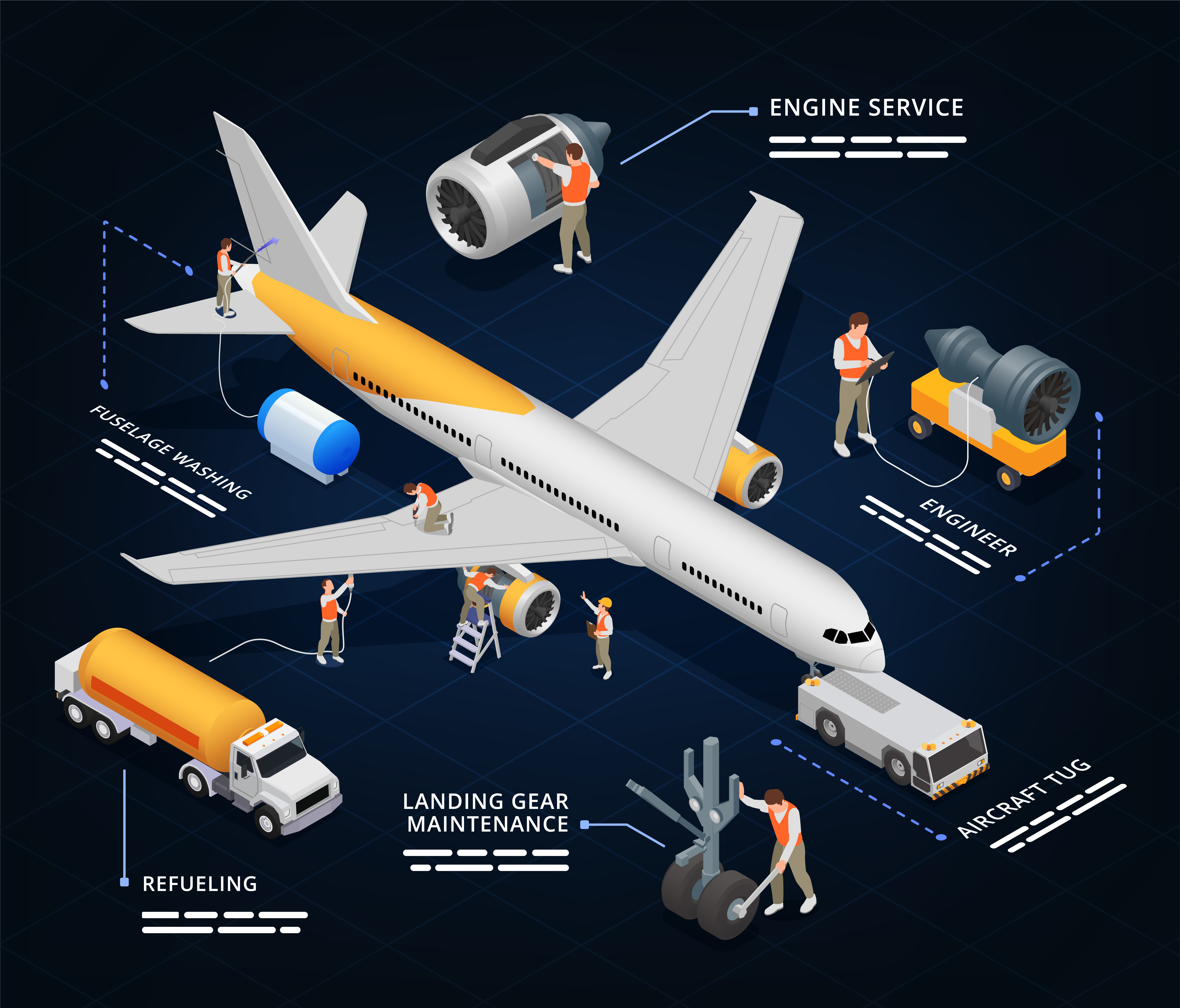
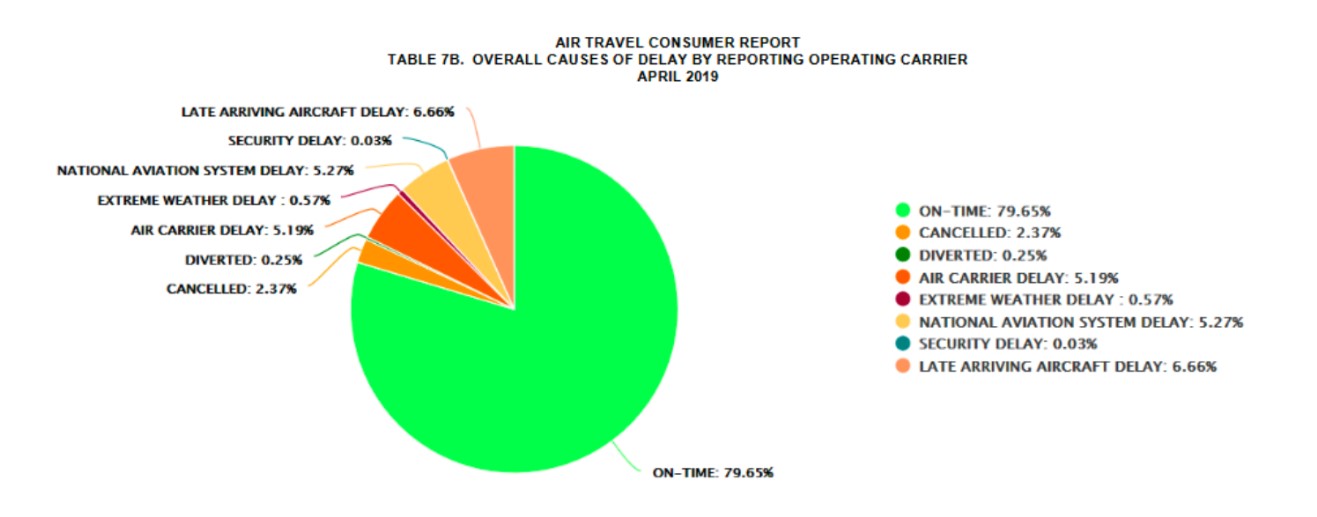
Airlines keep people around the globe connected and are a vital part of the aerospace industry. Global business and tourism wouldn’t be the same without the commercial aviation industry. It is the backbone of the modern world. However, air travel is still susceptible to disruptions from weather, ageing infrastructure, maintenance issues, congested airspaces, and suboptimal operational efficiencies. For instance, in 2022, U.S. passenger airlines’ average cost of aircraft block time was $101.18 per minute, leading to billions in additional expenses annually. Refer to the infographic below for more details on the diverse causes of aircraft delays. The FAA estimates these flight disruptions cost about $33 billion in the U.S. alone. Meanwhile, the demand for air travel is increasing, with the International Air Transport Association (IATA) projecting over 4 billion passengers by 2024, surpassing pre-COVID-19 levels.
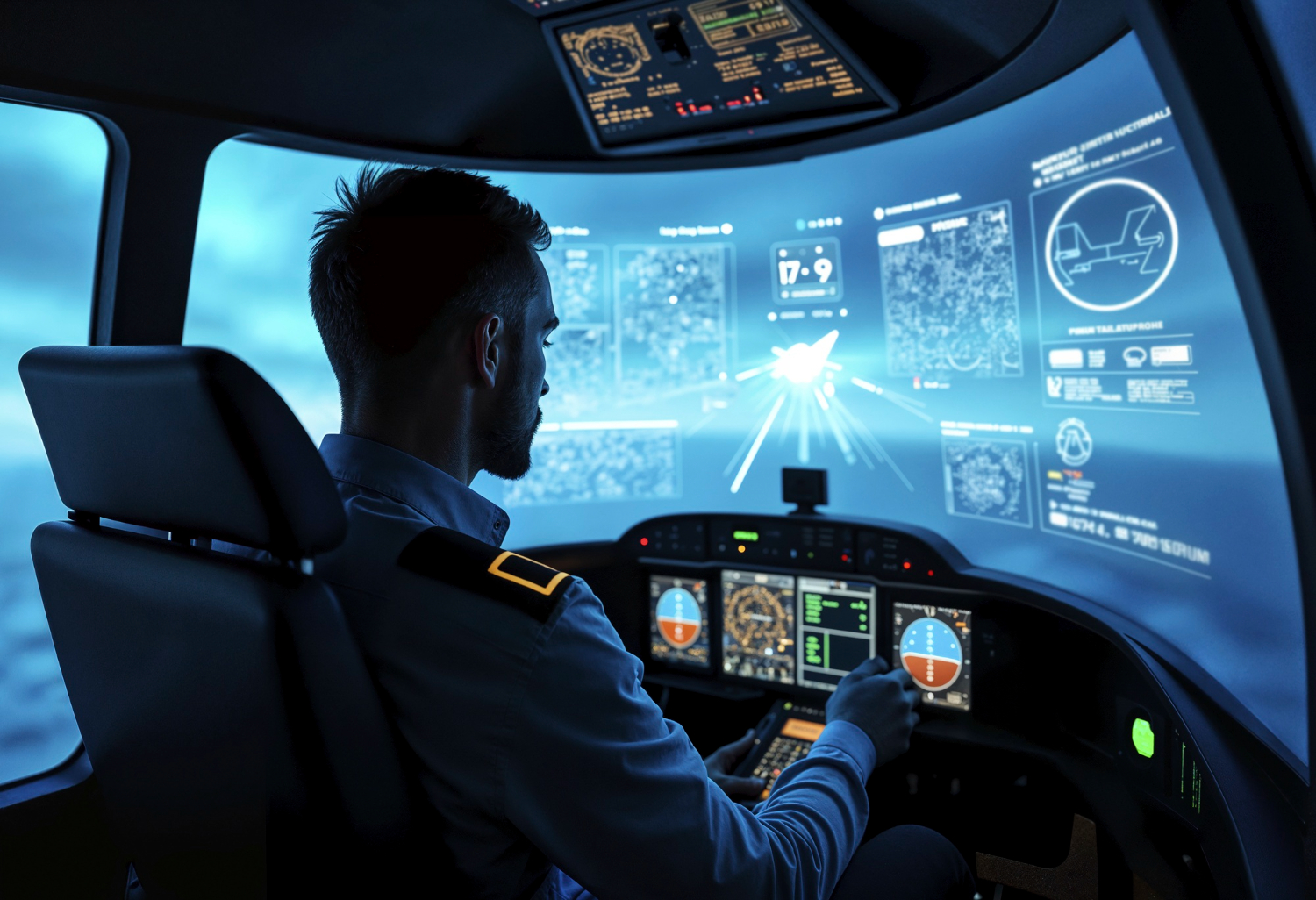
Artificial intelligence (AI) can address the pressing challenges facing aviation and, more broadly, the larger aerospace industry. AI can assist with everything from aircraft design to predictive maintenance and automated flight controls to enhance aerospace quality, safety, sustainability, and reliability.
In this article, we explore various AI applications in aerospace, focusing on how generative AI, computer vision, and IoT enhance efficiency and precision. We also examine the challenges associated with integrating AI into this complex sector, particularly regarding safety and regulatory compliance. Let’s dive in.
AI in Aircraft Design and Manufacturing
Designing an aircraft is a highly intricate process that involves many time-consuming and iterative steps. A designer would require extensive knowledge and expertise to work on such a project. This can be both costly and resource-intensive. This is where AI can jump in and help manufacturers and product designers cut costs without compromising quality or safety.
How does generative AI change aircraft design?
A branch of AI called generative AI uses generative design algorithms to generate, test, and refine aircraft component designs iteratively. These algorithms aim to meet specified objectives around strength, weight, manufacturability, and cost.
Airbus has been using generative AI to develop lightweight partition designs for aircraft cabins. This technology considers various factors such as structural load requirements, spacing needs, and weight limits. Through computational evolution, generative AI efficiently explores design options to create partition architectures optimised for both strength and lightness, ultimately contributing to reduced fuel consumption.
A great example is the ‘bionic partition’ developed for the Airbus A320. This partition is a result of a collaboration between Airbus and Autodesk. The bionic partition weighs 45% less than traditional designs. When applied across the entire cabin of the A320 fleet, Airbus estimates a possible reduction of up to 465,000 metric tonnes of CO2 emissions annually.
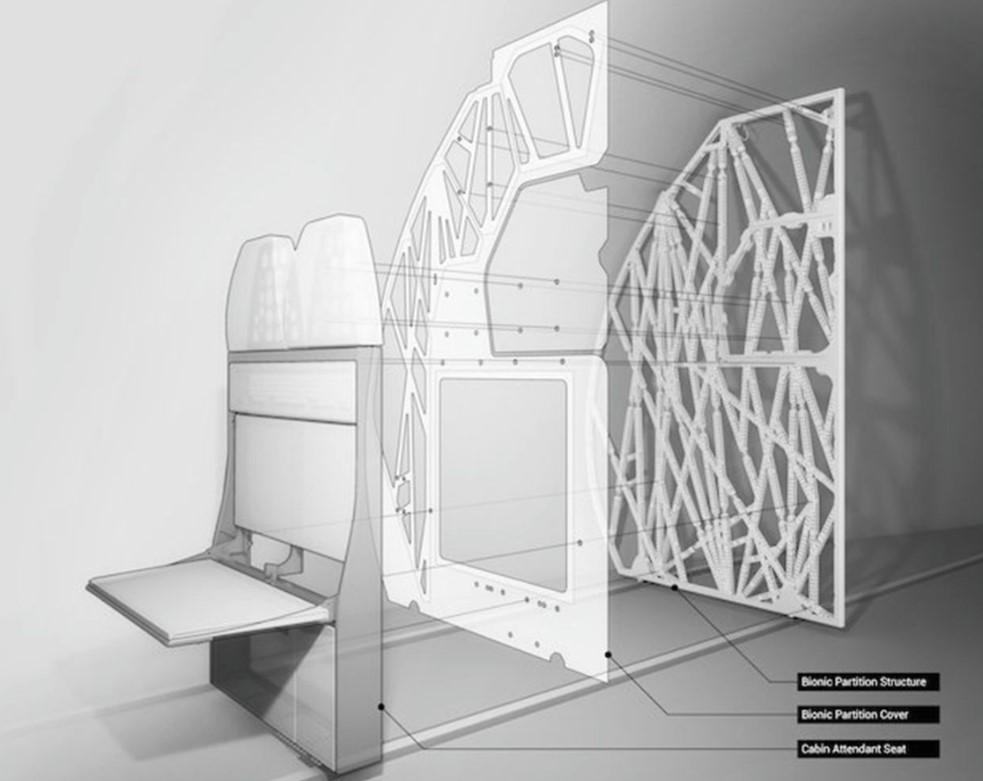
Boeing is also actively using generative AI models in its aircraft design processes. They are exploring innovative ways to optimise aircraft design, including passenger cabin layouts. During a panel discussion at the Sustainable Aerospace Together Forum, Boeing’s Chief Technology Officer, Todd Citron, highlighted the company’s use of generative AI models in aircraft design. This technology is not just a futuristic concept but a present reality.
Now that we’ve looked at how generative AI aids in designing aircraft components, let’s understand how AI can assist in prototyping and testing to see the practicality of bringing these designs to life.
AI in prototyping and testing
When it comes to prototypes and testing, AI-driven simulations have several advantages. These simulations predict how a prototype will perform under various conditions without actually having to build or physically test the prototype. This predictive capability allows engineers to identify potential problems early in the development cycle and make necessary changes at a much earlier stage. The result is a more efficient development process.
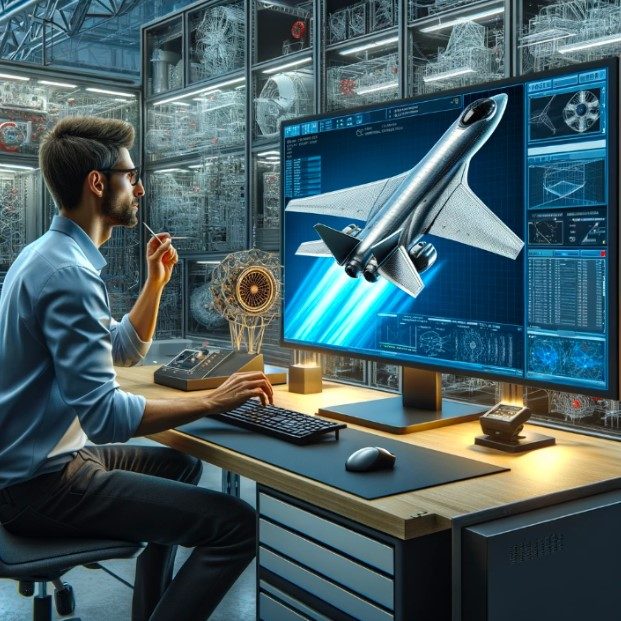
One important factor contributing to the efficiency of AI-driven simulations is the utilisation of GPU acceleration for faster computing. GPUs — accessed through frameworks such as CUDA, PyTorch, and increasingly TensorRT for inference workloads — are particularly good at handling multiple tasks simultaneously through parallel processing. This parallel processing capability allows these simulations to conduct an impressive number of design evaluations compared to traditional methods.
Once a design prototype is tested and ready for production, the focus shifts to the manufacturing process, where AI can help ensure precision and quality.
Computer vision in aerospace manufacturing
In aerospace manufacturing, a subfield of AI known as computer vision enables precise quality inspection and tracking of aircraft components throughout the assembly process. Boeing uses automated optical scanning and dimension analysis to quality-check sections of aircraft wings versus engineering drawings during fabrication. This AI-powered process validates component size, shape, alignment, and drill precision for different features on a typical wing, saving substantial manual effort.
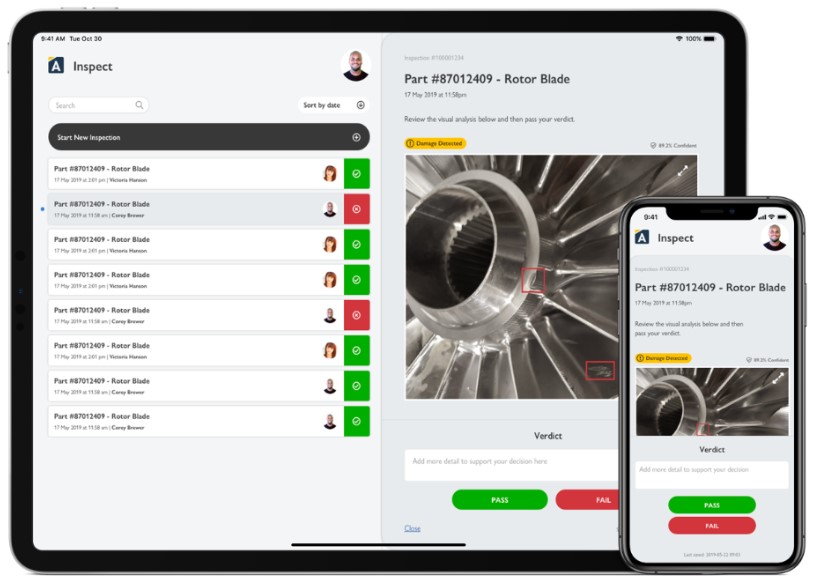
Computer vision can also facilitate monitoring critical aircraft system assembly more accurately than human supervision. Augmented reality headsets, equipped with computer vision pipelines built on OpenCV and ONNX-deployed models, assist technicians by visually projecting detailed, step-by-step instructions overlaid on the assembled components. Before authorising process sign-off, the AI confirms proper assembly by comparing live views versus digital models. Through these innovations in design, production monitoring, quality assurance, and guided assembly, AI aims to transform aerospace manufacturing quality and productivity.
AI in Flight Operations and Control
Flight planning and air traffic management are being redefined by AI algorithms that can parse weather forecasts, equipment availability, crew scheduling, and other data to optimise routing plans. Qantas, for instance, has reported significant efficiency improvements in flight planning with its AI system, Constellation, developed in partnership with The Australian Centre for Field Robotics at The University of Sydney. This advanced 4D system analyses factors such as lateral and altitude positions, speed, and weather data to reduce fuel usage and CO2 emissions. The system’s adoption by Qantas is anticipated to result in considerable annual savings — approximately $20 million in fuel costs. Additionally, it is expected to decrease CO2 emissions by 50 million kilogrammes each year.

With respect to air traffic control, predictive analytics applied to historical traffic patterns, flight schedules, and aircraft tracking data enable the identification of future congestion “hotspots.” This technology allows controllers to proactively reroute flights around anticipated delays before they occur rather than addressing problems reactively mid-flight. As global air traffic gradually returns to pre-pandemic levels, AI automation will be crucial in managing this increasing complexity.
Predictive Maintenance through AI
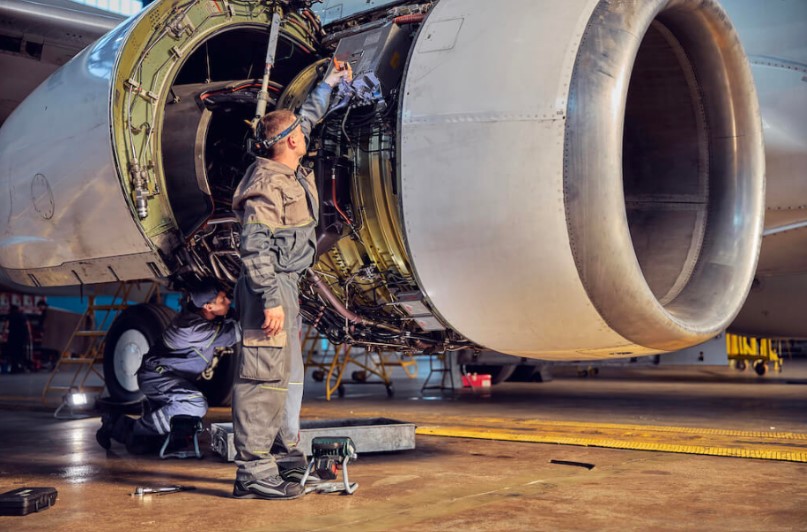
The aerospace industry is increasingly turning to AI for predictive maintenance. By leveraging IoT edge computing and AI analytics, airlines can monitor aircraft subsystems in real-time, predicting and preventing potential failures before they occur.
IoT sensors are crucial in this setup. They are installed throughout the aircraft to collect real-time data on parameters such as engine vibrations, heat, RPMs, and fuel flow. This continuous data stream provides a comprehensive view of the aircraft’s health. Instead of sending all sensor data to a central server, edge computing allows data processing to occur directly on the aircraft. This reduces latency, enables faster decision-making, and minimises the need for constant data transmission, which is critical in environments where connectivity might be intermittent or limited.
The real power of predictive maintenance lies in the analytics layer above the sensors. Machine learning models — typically trained in PyTorch and deployed with quantised runtimes for embedded hardware — analyse vast amounts of sensor data, comparing it with historical patterns and performance benchmarks. Even slight deviations in vibration signatures or thermal envelopes can flag a degrading component long before it triggers a fault code.
The advantages of using AI and IoT edge computing for predictive maintenance are that airlines can anticipate maintenance needs, reducing unexpected downtime and prolonging the life of aircraft components. This proactive approach to maintenance not only saves costs but also enhances safety. Additionally, it allows for more efficient scheduling of maintenance work, avoiding disruptions to flight schedules and improving overall operational efficiency.
Where AI sits in the aviation value chain
| Stage | AI surface | Primary benefit |
|---|---|---|
| Design | Generative design, simulation | Lighter parts, fewer iterations |
| Manufacturing | Computer vision QA, AR assembly | Repeatable precision, fewer escapes |
| Flight planning | 4D route optimisation | Fuel savings, lower emissions |
| Operations | Predictive maintenance on edge | Less unscheduled downtime |
| Passenger experience | Recommendation, biometrics | Faster, more personalised journeys |
AI in Enhancing Passenger Experience
Inflight entertainment systems now benefit from AI-driven personalisation that adapts to passenger preferences in real time. Honeywell and Thales are incorporating AI content recommendation engines to provide personalised movie, news, and destination suggestions tailored to individual passenger preferences and travel details. Seatback touchscreens may also eventually host AI-powered conversational travel assistants like Siri, Alexa, or Google Voice. These virtual assistants could answer passenger questions and facilitate requests around the clock.
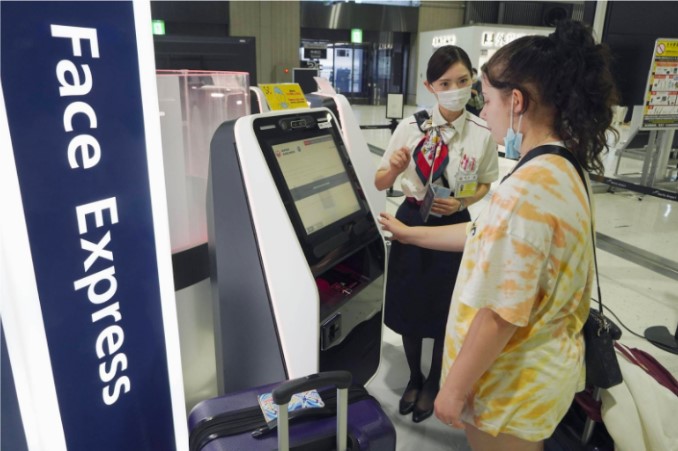
Passenger experiences aren’t limited to the flight itself. Even ground operations can be improved by AI. Computer vision can be used in check-in, security, and boarding processes to enhance passenger facilitation. Narita and Haneda airports in Japan have implemented facial recognition systems for a more efficient and touchless experience. This “Face Express” system allows passengers to go through baggage check-in, security, and boarding without the need to show passports or boarding passes, all verified through facial recognition.
Challenges in Implementing AI in Aerospace
Despite promising capabilities in design, predictive maintenance, and passenger experience, adopting AI in mission-critical aerospace operations faces trust and governance barriers. Can generative algorithms reliably design components sustaining passenger safety in extreme edge-case situations? What risks are associated with bias in training data influencing air traffic management decisions?
To ensure safety in aerospace systems, rigorously testing and validating AI technologies is crucial. This involves simulations of various scenarios outside normal operating conditions to prepare for rare but critical safety issues. To certify autonomous aerospace systems for widespread use, they must demonstrate reliable performance through extensive simulated testing, covering billions of test miles. This thorough testing is key to deploying these systems safely on a large scale.
Meanwhile, ambiguous regulations around autonomous flight operations complicate certification and operational approvals. Today’s policies struggle to handle emerging technologies, from passenger drones to single-pilot cargo jets. As AI technology in aircraft rapidly advances, there’s a risk that regulations and governance might not keep pace. This could happen before we fully address all safety concerns and reliability questions related to these advanced AI systems. Successfully adopting transformative AI aerospace systems requires collaboratively addressing these concerns early across stakeholders spanning technologists, aircraft manufacturers, airlines and operators, infrastructure providers like airports and Air Traffic Control, policymakers, plus the travelling public.
What we can offer as TechnoLynx
At TechnoLynx, we specialise in AI solutions scoped to the actual problem in front of you. Our focus is on integrating AI in ways that address stakeholders’ unique challenges and requirements, including customising AI applications for industries like aerospace. We have built up working experience across AI in the aviation industry, and the patterns we apply there carry into adjacent transport and safety-critical domains.
Our work spans computer vision, generative AI, GPU acceleration, and IoT edge computing. We aim to push the boundaries of what these tools can do while staying inside the safety envelopes that aerospace demands. For more information, feel free to contact us.
Conclusion
From initial concept through to passenger boarding, AI touches every stage of aviation’s operational chain. However, integrating AI in aerospace also presents real friction, especially around safety, trust, and the gap between how fast the technology moves and how slowly regulation can absorb it. Addressing these challenges requires a collaborative approach among all stakeholders, including an AI partner that takes those concerns seriously rather than waving them away. That is the work we do.
Frequently Asked Questions
How is generative AI used in aircraft design today?
Generative design algorithms iterate through thousands of geometries that satisfy constraints on strength, weight, manufacturability, and cost. Airbus used this approach with Autodesk to produce the A320 bionic partition, which weighs 45% less than the traditional design and — fleet-wide — could avoid up to 465,000 metric tonnes of CO2 emissions per year.
What does predictive maintenance in aviation actually involve?
It pairs IoT sensors on engines and airframe subsystems with machine learning models that compare live signals against historical patterns. The compute runs at the edge to handle intermittent connectivity, and the goal is to flag deviations in vibration, temperature, or fuel flow before they become faults. The payoff is fewer unscheduled removals and tighter maintenance scheduling.
Where is computer vision used in aerospace manufacturing?
Mainly in dimensional inspection of structures such as wing sections, where automated optical scanning checks size, shape, alignment, and hole precision against the engineering drawings. Computer vision also drives augmented-reality assembly guidance that compares the live view of a sub-assembly against the digital model before sign-off.
Why is regulating AI in aviation harder than in other industries?
Aerospace certification expects deterministic, traceable behaviour and exhaustive test coverage. AI models are statistical by nature, so the bar of “demonstrated reliable performance across billions of test miles” is genuinely difficult to meet. Regulation is also chasing a moving target — passenger drones, single-pilot cargo jets, and autonomy stacks evolve faster than the rule-making cycle.
What roles can AI play in flight operations beyond the cockpit?
Route planning, air traffic management, crew and equipment scheduling, and turnaround optimisation all benefit. Qantas’ Constellation system, for instance, is reported to save roughly $20 million in annual fuel costs and avoid around 50 million kilogrammes of CO2 emissions by optimising 4D routing against weather and traffic conditions.
Sources for the images
- All Things On Time Performance (2020) Flight Delays in Numbers – Not Only Painful For Passengers.
- Airbus (2016) Pioneering bionic 3D printing.
- Bjerregaard, L. (2019) Boeing Selects AI Startup To Enhance Parts Inspections — Aviation Week Network.
- KYODO (2021) Narita and Haneda airports start wider use of facial recognition — The Japan Times.
- ToolSense (n.d.) Why Predictive Maintenance in Aviation Can Save Lives.